
Brandon, Suffolk & surrounding areas   ·   Call 07391 181746
Interior painting & decorating

A beautiful finish
starts with care.

From a single room to a full redecoration, Tommy brings experience and a personal touch.

Inside your home

Carefully prepared. Beautifully finished.

Your home deserves care, consideration and attention to detail.

Tommy works directly with you to understand what you want to achieve, whether that means refreshing a living room or decorating several rooms.

  • Walls and ceilings
  • Bedrooms and living spaces
  • Kitchens and hallways
  • Doors and interior woodwork
  • Skirting boards and architraves
  • Surface preparation
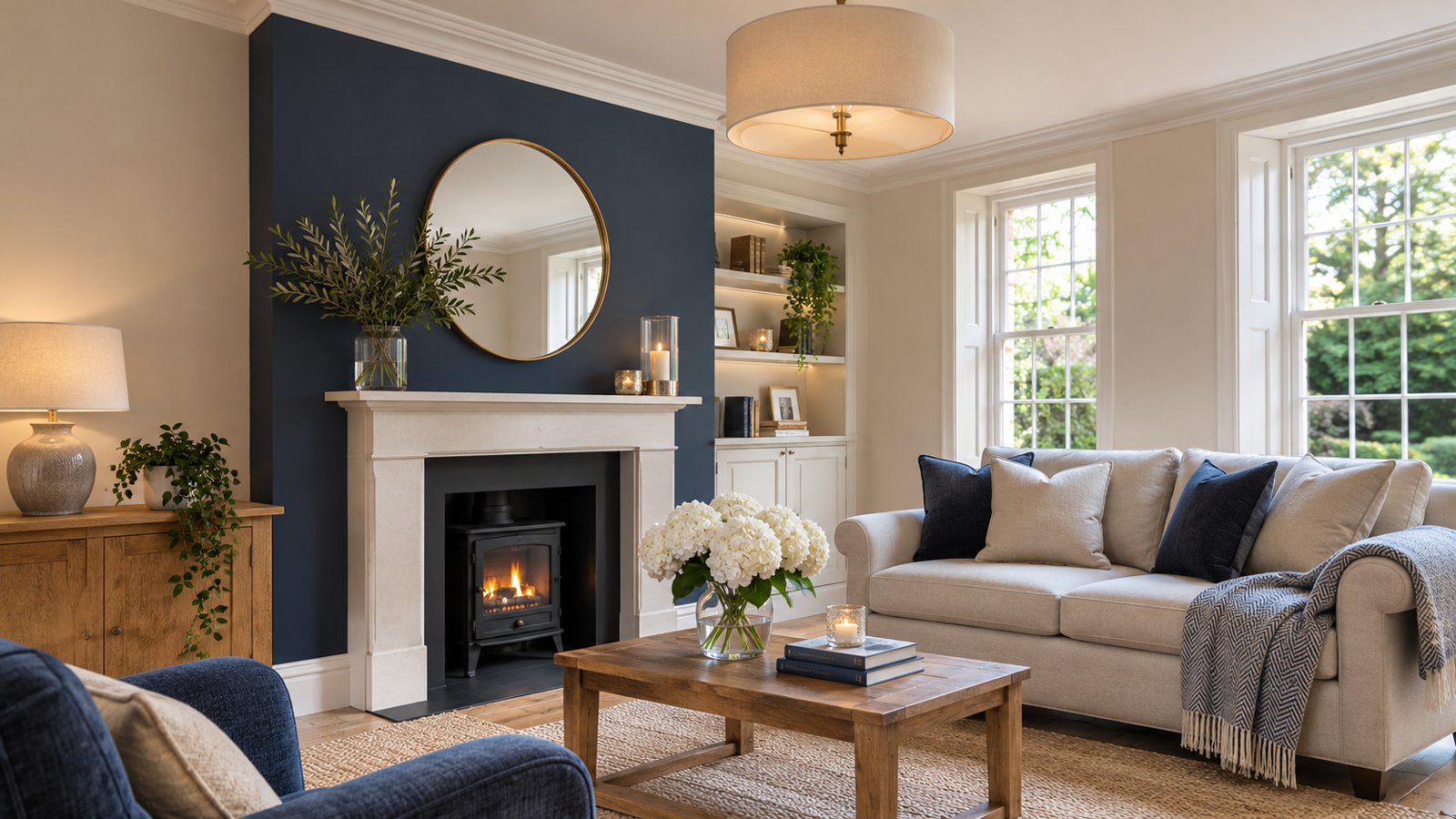
Illustrative painted living room
The details matter

Preparation is part of the finish — and the planning starts before a paint tin is opened.

A successful redecoration starts with understanding your home, your expectations and the condition of the surfaces. Here is how Tommy can work through the decisions with you, from your first conversation to the final clean-up.

01

Arrange a convenient consultation

Start by telling Tommy which rooms you would like decorated, whether the property is occupied and the finish you have in mind. Arrange a suitable time to meet and walk through the areas together. It is an opportunity to explain your priorities, any deadlines and how the work needs to fit around everyday life.

Tommy can discuss the existing décor, the look you want to achieve and whether the project involves walls, ceilings, doors, skirting boards, architraves or other woodwork.

02

Walk through the rooms and consider colours

During the visit, look at the rooms in natural and artificial light, note their use and discuss the colours and finish levels that appeal to you. Paint colour cards and available samples can help you narrow down the options. A small sample area may be worth considering because a colour can look different on a wall than on a card.

Matt, durable matt, eggshell, satin and gloss finishes have different appearances and practical characteristics. The right choice depends on the surface, the existing coating and how the room is used.

03

Agree the practical arrangements

Before starting, discuss access to the property, where the van can park, where equipment and paint can be kept safely, which rooms will be available and whether furniture needs moving. Think about children, pets, working from home, ventilation and any times when access must be maintained.

These practical details help avoid unnecessary disruption. The quotation should make clear which areas are included and what preparation or repairs are within the agreed scope.

04

Protect furniture, flooring and belongings

Tommy protects customers’ belongings, furniture and floors before decorating begins. Depending on the room, this may involve moving smaller items out of the working area, carefully covering furniture, using suitable floor protection and masking fittings and edges that should remain paint-free.

Particular care is needed around carpets, finished timber floors, sockets, switches, glazing and adjoining surfaces. The aim is to work neatly while protecting the property around the area being decorated.

05

Inspect the surfaces before deciding how to prepare them

Existing paint is not automatically ready for a new coat. Tommy can check for flaking or peeling paint, cracks, dents, nail holes, uneven filler, loose or failed caulk, staining, damp marks, mould, grease and previous coatings that may affect adhesion.

Where moisture or another underlying defect is suspected, the cause should be investigated and resolved before decorating. Painting over an unresolved problem is unlikely to give a lasting result. Any repairs beyond routine decorating preparation should be discussed before work proceeds.

06

Clean, fill, rub down and make good

Preparation is chosen to suit each surface. Dust, grease and other contamination may need removing first. Loose paint is scraped back where necessary; small holes and cracks are filled with a suitable product and allowed to dry. Once ready, filled areas and rough edges are rubbed down to blend them with the surrounding surface.

Previously glossy woodwork may need cleaning and careful abrasion to provide a suitable key. Sanding dust is removed before painting. Open joints around appropriate trim may need flexible decorator’s caulk. The condition of older or delicate coatings may call for additional precautions or specialist assessment rather than ordinary sanding.

07

Prime, undercoat and paint as required

New plaster, bare timber, repaired patches, stains and previously painted surfaces can require different primers or preparation systems. Tommy can choose an appropriate coating approach for the surface and the desired finish, allowing the recommended drying times between stages.

Careful cutting-in around edges, consistent application and suitable coats help achieve an even appearance. The exact sequence and number of coats depend on the existing surface, colour change and selected product, rather than a one-size-fits-all promise.

08

Check the finish, tidy up and remove waste

At the end of the work, the decorated areas can be checked for coverage, edges and any details needing attention. Tommy cleans up after his decorating and removes decorating waste, leaving the agreed working areas tidy.

You can discuss the finished work directly with Tommy, including any practical advice about allowing freshly painted surfaces to cure before normal cleaning or heavy use.

Every property is different. These are the matters Tommy can consider with you; the exact preparation, materials, schedule and scope are agreed for your particular project.

Arrange a consultation with Tommy
Choosing an interior finish

Thoughtful decisions make a difference.

Walls and ceilings

Existing paint condition, lighting and the room's use can influence preparation and finish selection. A clean, consistent appearance relies on getting the underlying surface ready first.

Woodwork and doors

Skirting boards, architraves and doors need their own consideration. Previously painted surfaces may require cleaning, sanding, filling or priming depending on their condition.

Colour and sheen

Matt, eggshell, satin and gloss finishes produce different effects. Tommy can discuss the appearance you want and the practical suitability of options for your project.

Living and working around decorating

Talk through which rooms are involved, access requirements and any furniture or belongings that need to be considered when planning the work.

Why preparation affects the result

Even excellent paint cannot disguise every crack, loose coating or poorly prepared repair. The condition of the substrate determines what cleaning, filling, sanding and priming are necessary before the finish coats go on.

Living comfortably while work takes place

Discuss the order in which rooms will be tackled, when they can be used again, ventilation, safe storage of materials and how to keep essential areas accessible.

Questions worth asking

Before you redecorate

Do I need to know which paint to use?

No. You can begin by describing the appearance you want and how the room is used. Product selection can be discussed once the surfaces and requirements are understood.

Can older painted surfaces simply be painted over?

Sometimes, but not always. Peeling paint, damage or unsuitable existing coatings may need preparation first. Tommy can assess the specific condition.

Can I enquire about a single room?

Yes. Contact Tommy with the room, location and the work you have in mind so he can discuss the project.

Can we look at paint cards and samples together?

Yes, ask Tommy about colour cards and available samples during your consultation. Checking a sample in the actual room can help you judge it in different lighting.

What happens if the walls have cracks or peeling paint?

Tommy can assess their condition and explain the preparation that may be required. If an underlying issue needs separate repair, that should be resolved before decorating.

Will my floors and furniture be protected?

Yes. Tommy protects customers’ belongings, furniture and floors, cleans up after his work and removes decorating waste.

Can we discuss parking, access and where materials will be stored?

Absolutely. These practical arrangements can be covered during the site visit so the work is planned around your property.

Let’s talk

Tell Tommy about your project.

Speak directly to Tommy O’Mara about your home, business or decorating requirements.

07391 181746  ·  Email Tommy

Request a free quotation