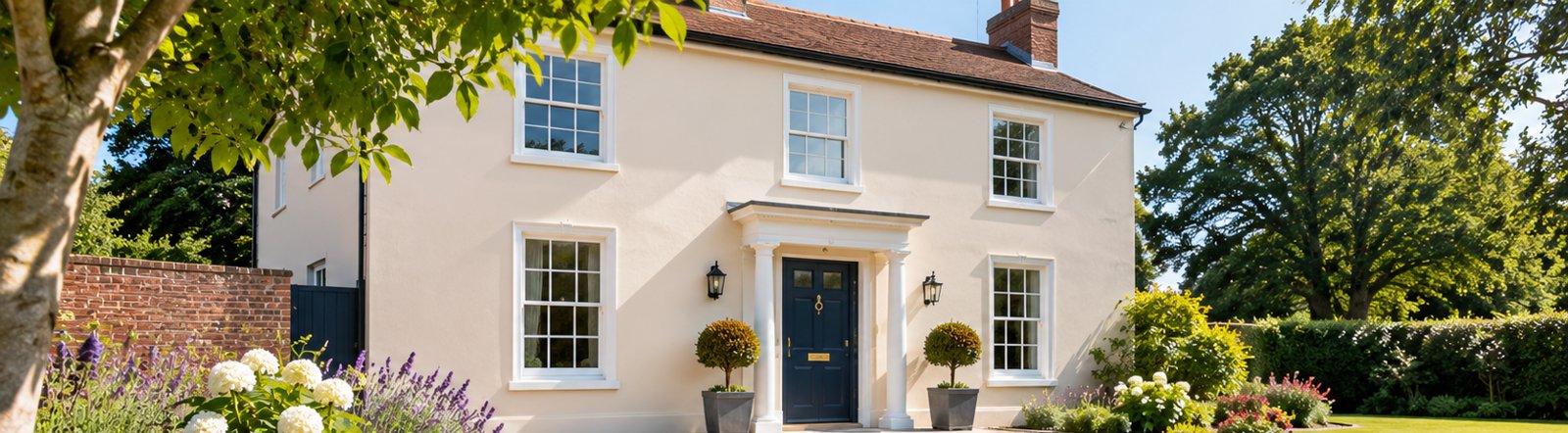
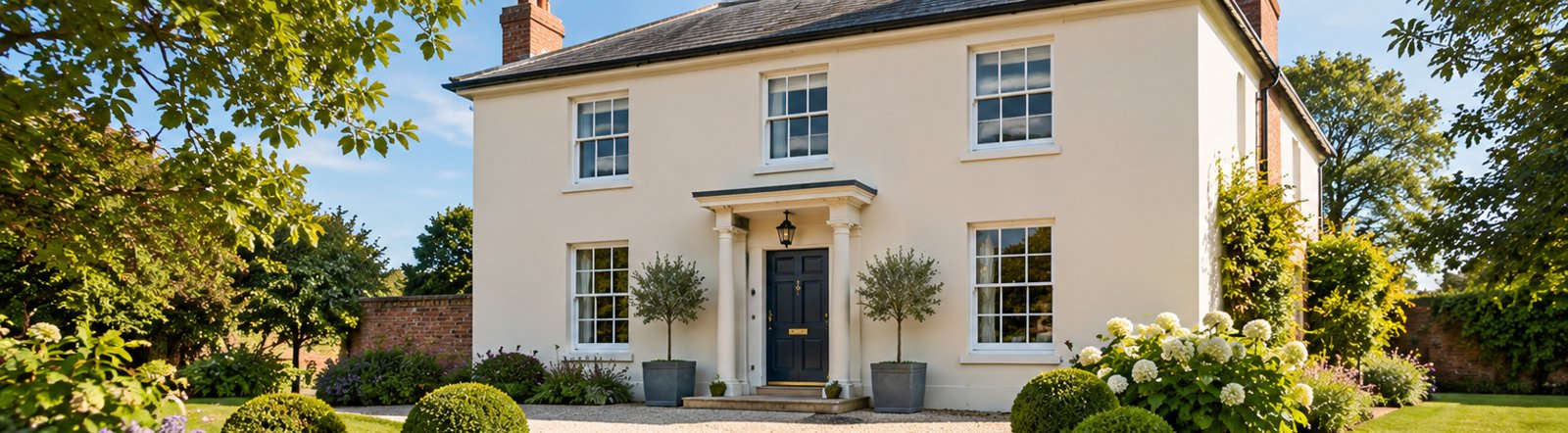
Good exterior painting begins with an assessment of the building and its exposure, not simply a choice of colour. Here is the level of care and planning involved in discussing a project.
01A convenient visit and a careful look around
Arrange a suitable time to discuss the property, what needs painting, the existing finishes and the result you want. Tommy can examine walls, timber, metalwork and awkward areas, and discuss access, parking and where equipment and materials could safely be kept.
02Check the surfaces before choosing a coating
Look for peeling or chalky paint, cracked render, loose pointing, decaying timber, corrosion, staining, algae and signs of trapped moisture. Problems such as active leaks or unsound substrates may need repairing by an appropriate trade before decorating can begin.
03Plan safe access and practical arrangements
Upper storeys, soffits, gables and difficult elevations may require a suitable scaffold, mobile tower or other access equipment. The method must be assessed for the particular site; hire, specialist erection, access permissions and additional costs should be agreed where applicable.
04Protect the surroundings
Discuss suitable coverings and protection for windows, doors, glazing, paving, planting, garden furniture and neighbouring surfaces. Consider pedestrian access, vehicles and where dust, wash-water or paint debris could travel.
05Work with the weather, not against it
Check the forecast and the coating manufacturer’s guidance for temperature, rain, wind, humidity and drying times. Wet or very cold surfaces, rain before curing and strong sun can affect adhesion or finish. Weather may require dates or the sequence of work to change.
06Clean, remove loose coatings and make good
Depending on the surface, preparation can include removing dirt and algae, scraping flaking paint, abrading sound edges, cleaning off dust, filling suitable cracks and addressing defective sealant. Washed surfaces must be allowed to dry before the next stage.
07Prime and finish to suit the material
Sound masonry, timber and metal do not all need the same system. Bare patches, porous surfaces, knots, exposed metal or existing coatings can call for different primers or treatments. Tommy can discuss an appropriate compatible system and finish for the specific job.
08Review the finish and leave the area tidy
Once the agreed work is complete, Tommy checks the finish, removes protective materials, cleans up and removes decorating waste. Any items outside the agreed painting scope can be discussed separately.